Make Recognisability the First Requirement
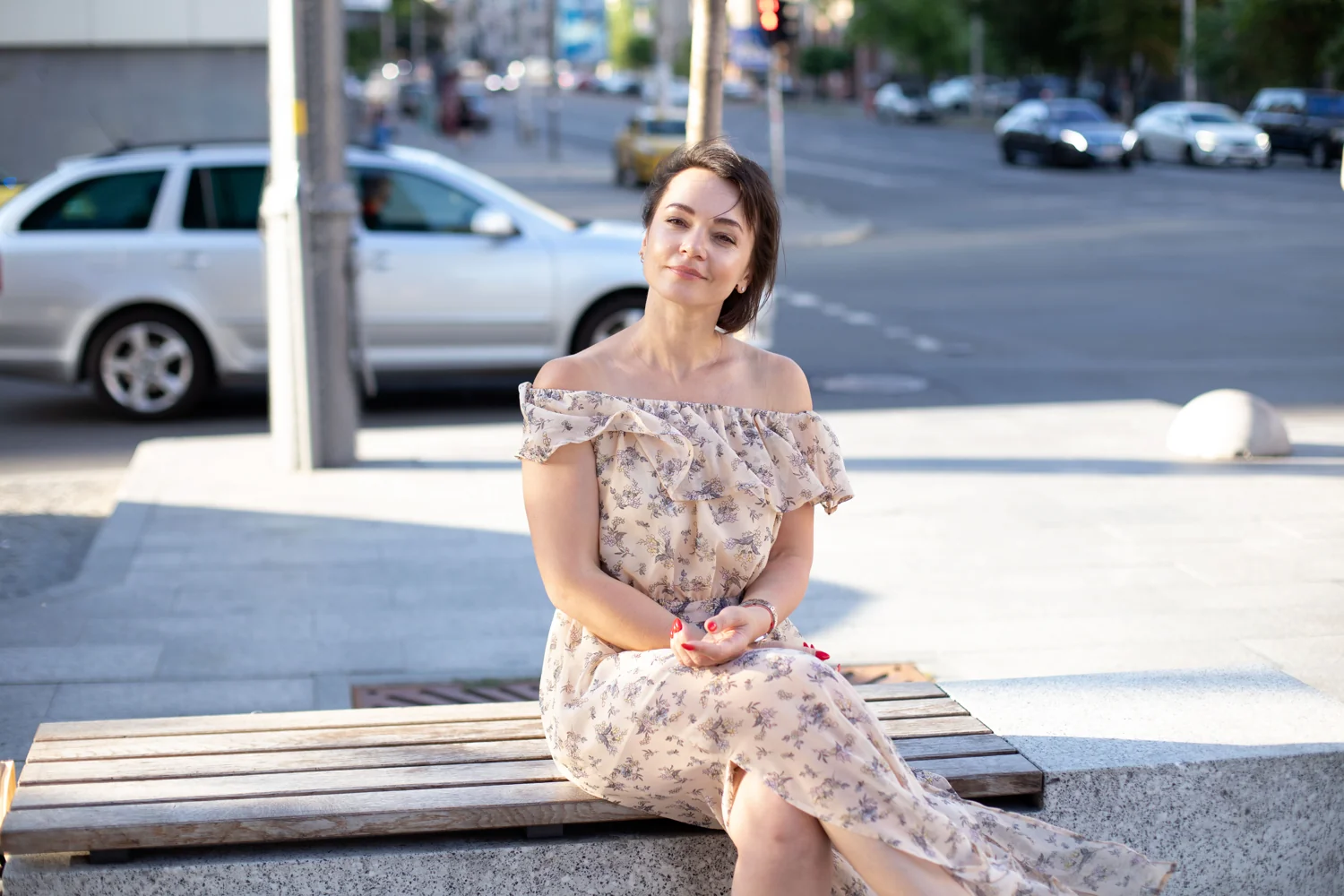
Before thinking about luxury, consider whether someone could recognise you at a first meeting. Your main image should show your face clearly, without heavy shadow, a distant composition or an object covering important features. A photograph can be stylish and still fail this simple purpose if the setting becomes more visible than the person.
Choose an image that represents your current appearance. If your hairstyle or other visible features have changed substantially, an older favourite may no longer be the best introduction. You do not need to apologise for looking different from a previous stage of life. The useful photograph is the one that makes the first meeting feel consistent.
Review the picture at a small size as well as full screen. Profile images are often viewed as thumbnails before someone opens more detail. If your face disappears when the image is reduced, the composition may need to be simpler. A clear image helps the reader focus on you rather than solve a visual puzzle.
Use Light to Create Polish Without Changing Identity
Soft, even light can make a photograph feel considered without extensive editing. Try a position where the face is visible and the background does not compete for attention. Avoid looking directly into harsh light that makes you uncomfortable or standing where strong contrast hides half the face.
A friend can help by taking several photographs while you talk or move slightly, rather than asking you to hold one rigid expression. You can then choose an image that feels like you. The aim is not an unguarded or careless picture, but a natural expression within a deliberate composition.
Basic corrections to exposure or framing are different from altering facial structure or inventing details. Keep the person recognisable. A beautiful image that creates a substantially different appearance may generate attention at the cost of trust when you meet. The profile should support an honest introduction, not require you to explain away the photograph later.
Let Elegance Come From Care, Not Props
Clothing that fits, a calm setting and attention to composition can communicate refinement. You do not need an expensive car, a private aircraft or a recognisable brand to make an image feel polished. Those objects may distract from your face or invite assumptions that the rest of your profile does not intend to make.
If a premium setting genuinely belongs to your life, it can appear naturally. The question is whether the photograph tells someone about you or mainly asks them to notice the background. A dining scene, for example, may work better when it shows your expression than when it centres a logo or a display of spending.
Choose a level of presentation that resembles how you might arrive at a date. You can look your best without adopting a costume. The article on a thoughtful first date uses the same principle: quality comes from attention and comfort rather than a requirement to demonstrate status.
Build a Small Set With Different Purposes
Several nearly identical portraits add little information. A useful collection can include a clear main portrait, an image showing more of your appearance and a genuine activity or setting. Each photograph should contribute something while remaining consistent with the same person and current life.
| Image Role | What It Can Show | What Can Get in the Way |
|---|---|---|
| Main portrait | A recognisable face and expression | Distance, heavy shadow or obscuring accessories |
| A second setting | Another natural side of your appearance | A nearly identical duplicate |
| A real interest | Something that can begin a conversation | A staged activity you do not actually enjoy |
| A more complete view | Everyday style and comfortable posture | A composition dominated by possessions |
You do not need to meet a fixed number of images for this editorial approach. Follow the product's requirements, then choose quality and usefulness over volume. If a photograph adds confusion or reveals unnecessary information, leaving it out may improve the whole profile.
Check the Background for Information You Did Not Mean to Share
A photograph may reveal an office sign, a document, a computer screen or a regular location. Look carefully before uploading, especially if your professional role involves confidentiality. A polished image is not worth exposing client information or a detailed view of your home.
Other people deserve consideration too. Prefer a picture that does not include someone whose permission you do not have, particularly when they are clearly identifiable. A group photograph can also leave the reader uncertain about which person the profile represents. A simple solo image usually avoids both problems.
Our professional discretion article explains how images and text work together. Privacy is not only an album setting. It starts with choosing what enters the image at all, because a later visibility control cannot reliably undo information already shared with someone.
Do Not Use Illustrations or Generated Identities as Member Photos
The editorial photographs on MillionaireMatch.fr illustrate the tone of the guides. They do not represent available members and are not images to copy into a dating profile. Your own account should use appropriate photographs of you, consistent with the service's rules and the identity you present.
The official MillionaireMatch presentation states that AI-generated member profile photos are not allowed. That rule is distinct from using ordinary tools to crop or adjust a real photograph. Avoid generating a face, replacing your features or inventing a scene to imply a lifestyle that you have not lived.
If you are unsure whether an edit meets the service's requirements, use a simpler authentic image and consult its current guidance. The objective of profile photography is not to defeat a check. It is to help another person form an accurate first impression and feel that the conversation is with the person shown.
Treat Private Albums as Visibility Tools
The official FAQ describes private album permissions and says that the main profile photo cannot be moved into the private album. Understand that distinction when deciding which image will introduce you publicly. Do not assume that every photo can be hidden in the same way or that a private setting makes content impossible to retain.
Choose material you are comfortable sharing before deciding who can see it. A request for access does not create an obligation to grant it, and a person should not pressure you to disclose more as a test of interest. You can continue getting acquainted while keeping a boundary around photographs.
The verification guide explains another separate concept: photo verification has a specific scope and does not validate an entire biography. Good images, visibility controls and verification each do a different job. None should be treated as a reason to ignore how someone behaves in conversation.
Review the Images Alongside the Biography
Read your text while looking at the selected photographs. Do they describe the same life and tone? A biography about quiet, personal connection can feel inconsistent with a set of distant status images. A profile about a genuine hobby becomes more vivid when one photograph supports it naturally.
Ask a trusted person whether the selection looks like you now, rather than whether it makes you look maximally impressive. That question produces more useful feedback. You can choose your strongest presentation while retaining the qualities that make you recognisable to someone who actually knows you.
Then let the photographs do their limited job: invite a closer look. The profile-writing guide supplies the conversational detail that images cannot provide. Together, clear photographs and a personal description create an introduction that can move comfortably from a screen to a real meeting.
Sources consulted 26 September 2026: official MillionaireMatch website and FAQ.